info@cougarcompanies.com
 239-275-9334

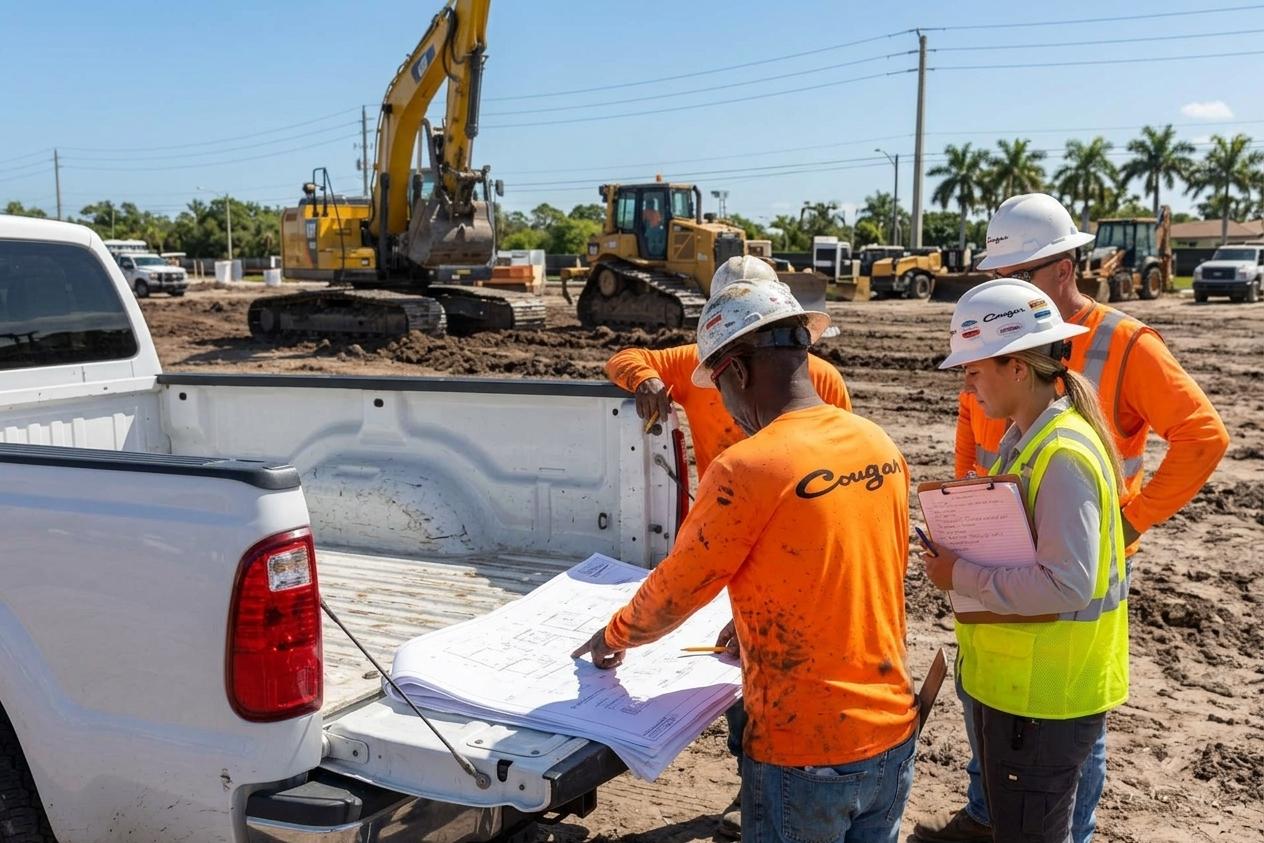
As the holidays approach in Southwest Florida, there's a certain energy in the air. For our teams at Cougar Companies, this season brings a welcomed shift, not just in the calendar but also in the working conditions for our valued field personnel. As a third-generation, family-owned construction firm serving this region since 1981, we've navigated decades of Florida's weather patterns. While the cooler temperatures are a welcome relief, we know that this seasonal change involves more than just personal comfort; it directly impacts project planning, crew safety, material curing, and overall efficiency on our construction sites.
Prioritizing Crew Safety and Productivity in Cooler Weather
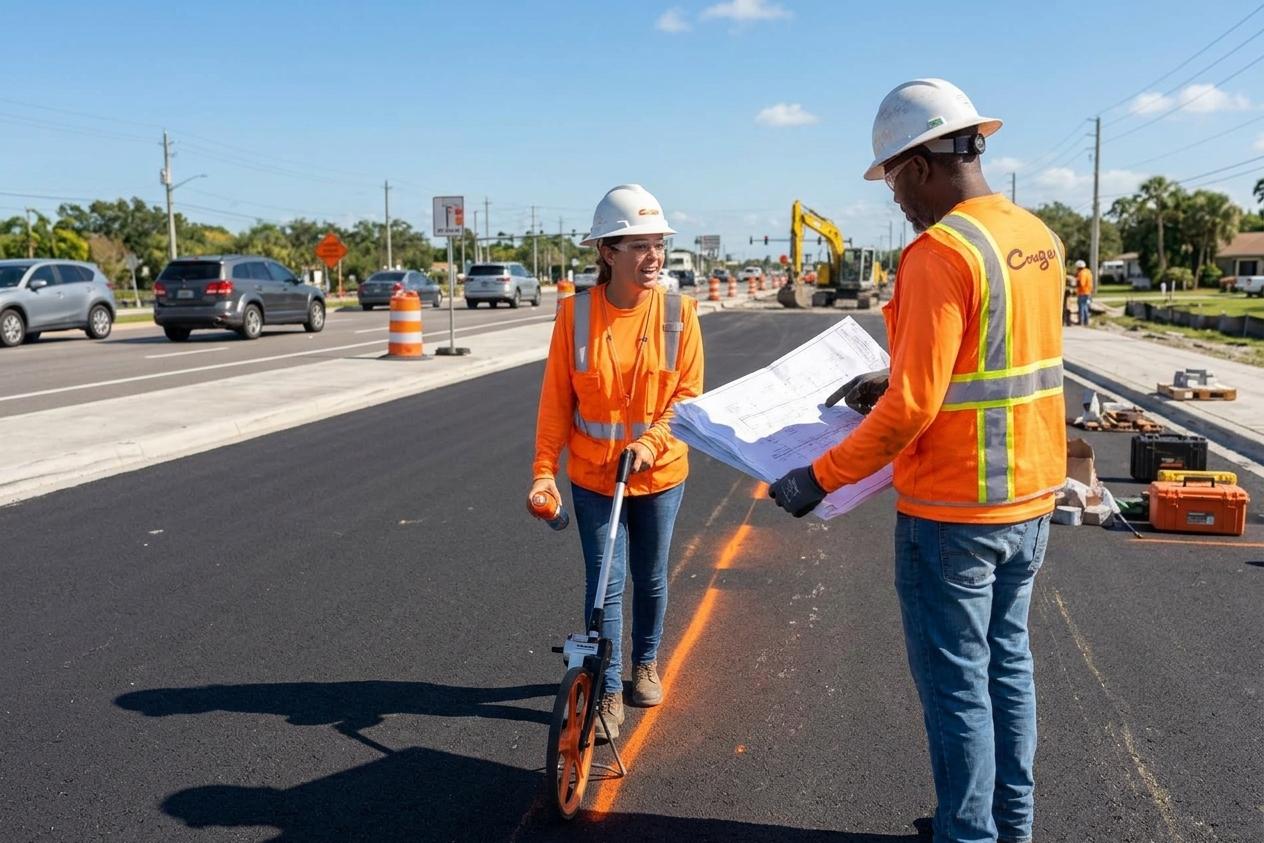
The primary and most significant benefit of the seasonal shift is the reduction in extreme heat. We take tremendous pride in the hard work our crews put in year-round, especially in our roadway construction and site preparation projects where shade is practically non-existent. While we have robust heat illness prevention programs, including hydration schedules, mandatory breaks, and sun protection, the natural decline in temperature is the ultimate relief. Lower heat and humidity levels mean our field crews can work more comfortably and sustainably. This leads to several critical improvements in project delivery:
- Reduced Physical Strain: When the heat index regularly surpasses 100°F, as it does in Southwest Florida for months, the physical toll on workers is immense. Cooler weather significantly reduces this physical strain, decreasing fatigue and allowing our crews to maintain energy levels throughout the entire shift. This is particularly vital for labor-intensive tasks like manual excavation or placing concrete reinforceing.
- Enhanced Safety Focus: Heat stress can impact cognitive function, potentially leading to errors in judgement. By operating in a less physically demanding environment, our crews can maintain a heightened focus on safety protocols, which is always our top priority. The reduced distraction from extreme discomfort directly correlates to a safer work environment.
- Improved Morale and Retention: Happier and healthier crews are simply more productive. Showing that we understand the challenges they face and value their well-being is a core tenet of our family-owned philosophy. A comfortable working environment plays a critical role in retaining skilled workers, which is essential for ensuring the consistency and high quality of our work across all divisions, from demolition to complex utility installations.
- Increased Consistent Output: Heat requires more frequent and longer breaks to prevent exhaustion. In the cooler months, we can often work more continuously. While the total hours may be the same, the consistency of work output increases, which translates to meeting or even beating project deadlines without compromising safety or quality.
This improved efficiency is a direct win for our clients and project stakeholders in Naples, Fort Myers, Cape Coral, and surrounding areas. When our teams are operating at their best, we are able to maintain the rigorous schedules required for modern roadway and infrastructure development. For example, during significant site work on large commercial or residential developments, a 5-10% increase in daily productivity due to favorable weather can significantly impact the overall construction timeline.
Optimization of Concrete Work and Curing
Beyond the benefits to our personnel, cooler weather significantly influences the performance of essential construction materials, especially concrete. As a company that offers comprehensive concrete work services—including curbing, sidewalks, and structural slabs—understanding and leveraging temperature changes is a core component of our technical expertise. The relationship between temperature and concrete is a science, and the mild Florida winters provide an optimal window for high-quality, durable placements.
Understanding High-Temperature Challenges
To appreciate the benefits of the cool weather, it’s helpful to understand the challenges we face during the summer. High temperatures, low humidity, and high winds are a challenging combination for concrete placement.
- Accelerated Set Time: Heat acts as a catalyst, significantly speeding up the chemical reaction (hydration) between cement and water. This means the concrete sets, or hardens, much faster. While this might sound beneficial, it can lead to "cold joints" if subsequent batches aren’t placed quickly enough, compromising the structural integrity of the final product. It also gives the finishing crew less time to achieve the desired surface texture and quality.
- Increased Water Demand: To maintain the required workability (or slump) in high heat, we may be forced to add more water to the mix on-site. However, this is a delicate balance, as excessive water dilutes the cement paste, ultimately reducing the concrete’s strength and increasing its permeability.
- Potential for Cracking: Rapid drying of the surface concrete, often caused by high temperatures and wind, can lead to plastic shrinkage cracking before the concrete has gained any significant strength. Moreover, large temperature differences between the interior and exterior of a setting concrete mass can cause thermal cracking.
The Advantage of Seasonal Change for Concrete
When the weather turns cooler in Southwest Florida, these risks are greatly diminished. The moderate temperatures create a scenario where we can achieve superior results with much greater predictability.
- Extended Working Time: Cooler temperatures slow the hydration reaction, giving our concrete crews a larger window to place, consolidate, and finish the concrete properly. This extra time is invaluable for complex geometries, decorative concrete work, or large continuous pours where a flawless surface finish is required. For intricate projects like custom stamped concrete or integrated retaining walls, this additional time is essential for precision.
- Improved Curing and Strength Gain: The curing process is the most critical phase for achieving durable and strong concrete. Ideal curing conditions involve moisture and moderate, consistent temperatures. Southwest Florida’s winter weather often provides these conditions naturally, or at least makes it far easier for our crews to maintain them. This results in concrete that is denser, less permeable, and significantly more resistant to wear, weathering, and chemical attack (like saltwater spray in coastal areas).
- Reduced Risk of Cracking: Slowed hydration and lower temperatures minimize the peak internal temperature of the concrete. This, combined with slower surface drying, drastically reduces the likelihood of both thermal cracking and plastic shrinkage cracking. The end product is more robust and aesthetically pleasing, with far fewer surface blemishes or structural imperfections.
For property owners and developers, this means the concrete work completed during this season—from roadway pavement to structural foundations—is inherently set up for a longer lifespan with reduced maintenance needs. It's a proactive quality assurance factor that we leverage to provide the best possible value to our clients.
Enhanced Efficiency for Excavation and Utilities
The dryer and cooler months in Southwest Florida also offer distinct advantages for our excavation and underground utilities divisions. This kind of work is the foundation of any project, and its efficient execution sets the stage for everything that follows.
Precision in Excavation and Site Preparation
During the wet season, Southwest Florida's sandy and often highly-permeable soils can become saturated and unstable quickly. This makes maintaining proper slopes, preventing cave-ins, and managing groundwater extremely challenging and expensive, often requiring significant dewatering efforts. It also increases the risk of erosion and sediment runoff, requiring extensive stormwater pollution prevention measures.
As the weather cools and the rains become less frequent, site conditions become much more predictable and manageable.
- Stable Ground Conditions: Exposed soil is much more stable when it's not constantly being saturated. This allows for cleaner, more precise excavation, which is critical for preparing a correct subgrade for roadways or building pads.
- Optimal Compaction: Achieving specified soil density is essential for preventing future settlement. With consistent, manageable moisture levels in the soil, our crews can achieve optimal compaction more efficiently, using less equipment and reducing the risk of failures that require rework. This means your site preparation is faster and more reliable.
Streamlined Underground Utilities Installation
The installation of underground utilities—such as water, sewer, and storm drain systems—benefits significantly from both the improved ground conditions and the more favorable work environment for our crews. When our teams are operating efficiently, we can ensure every installation meets our high standards for precision and long-term functionality.
- Reduced Groundwater Management: Lowering the water table (dewatering) to install pipe or structures is one of the most resource-intensive parts of utility work. The dryer winter months naturally have a lower water table, often eliminating the need for complex and costly dewatering systems. This is a direct cost and time saving that benefits the project budget and timeline.
- Accurate Pipe Laying: When trenches are stable and dry, laying pipes to the precise grade and alignment required by engineering plans is much faster and more accurate. This reduces the risk of future issues like blockages or poor flow.
- Increased Safety in Trenches: While we always adhere to strict trench safety protocols, including the use of trench boxes and proper sloping, dry and stable ground is inherently safer to work in. This provides an additional layer of safety for our underground crews.
By leveraging these seasonal advantages, Cougar Companies ensures that these critical first phases of a project are completed with maximum efficiency, safety, and precision. Our decades of experience in Southwest Florida have taught us exactly how to plan for and take advantage of these annual weather patterns, translating natural conditions into tangible benefits for our clients' projects.
Ultimately, the excitement for the holiday season and the coming cooler weather is a reflection of our deep roots in Southwest Florida and our commitment to our people and the high-quality construction services we deliver. This season allows us to optimize our operations, increase safety, and provide even better outcomes for our clients, from the smallest demolition project to the largest roadway construction initiative. By understanding the intricate ways weather impacts our industry, we continue the legacy that began in 1968, building a stronger and more vibrant Southwest Florida community, one successful project at a time. If you have any upcoming construction needs this season, don’t hesitate to contact us to see how we can put our local expertise to work for you.